Partial vs full-body PPF, which do you need?
For most Adelaide drivers, partial (full-front) PPF is the right choice: it covers the bumper, bonnet, guards and mirrors that take almost all stone strikes, for a fraction of full-body cost. Full-body PPF is worth it on high-value, keeper or track cars where every panel and the resale ceiling justify wrapping the entire vehicle.
- Partial front PPF covers where 90 percent of stone chips actually land, and starts from $1,200 in Adelaide.
- Full-body PPF wraps every panel and starts from $4,500, making it a keeper-car or high-value-car decision.
- The smart middle ground is full-front plus rockers and A-pillars, which closes the real gaps for Hills and freeway drivers.
- Match coverage to how you actually drive, not to a wrap-the-whole-thing instinct.
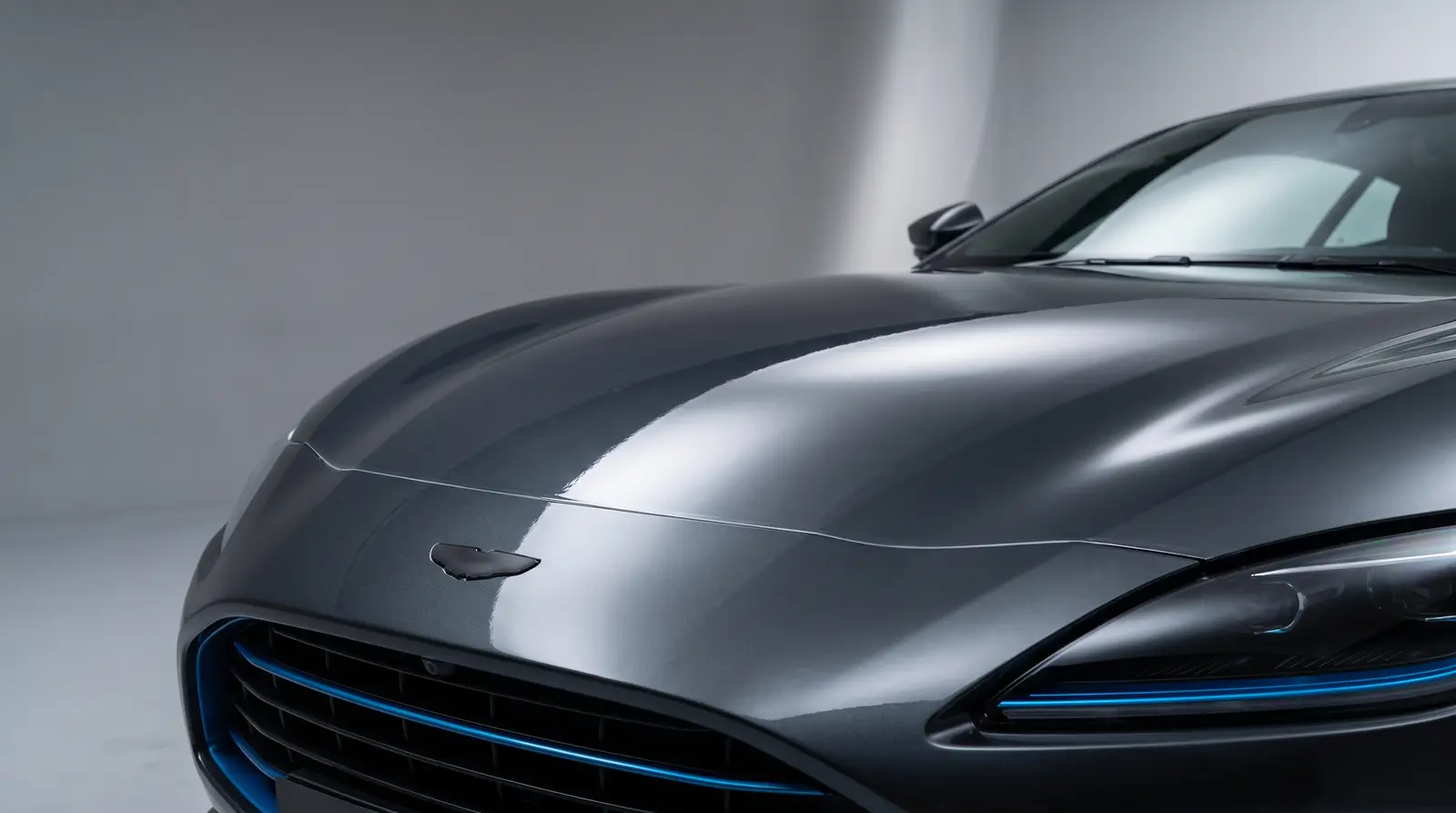
- Partial (front) PPF protects where chips land and suits most drivers.
- Full-body PPF suits high-value, keeper or track cars.
- A full-front-plus-rockers-and-A-pillars build closes the real gaps.
- Choose by your driving, not by a wrap-everything instinct.
The honest answer for most Adelaide cars is partial. Stone chips are overwhelmingly a front-end problem: they cluster on the bumper, the leading edge of the bonnet, the front guards and the mirror backs, all the surfaces that meet oncoming debris at speed. Full-body PPF is a genuine upgrade, but it is the right call for a specific set of cars, not the default.
What partial (full-front) PPF covers
A standard full-front kit wraps the panels that take the hits:
- Front bumper, the single most chipped panel on any car.
- Full bonnet (or at minimum the leading half or edge).
- Front guards, especially the leading sections.
- Wing mirror backs, which get sandblasted at highway speed.
- Often the headlights, which chip and haze from stone strikes.
That coverage handles the vast majority of real-world chipping in Adelaide, and it starts from $1,200 for a small car up to $2,300 for a large one. For a daily-driven car, this is the sweet spot of protection per dollar.
What full-body PPF adds, and who needs it
Full-body PPF wraps every painted panel: doors, roof, rear quarters, boot and the lot. Starting from $4,500 for a small car and $6,000 for a sedan, it is a serious spend, so it needs a reason beyond stone chips. Full body makes sense for:
- High-value cars where a scratched or chipped rear quarter is an expensive respray and a resale hit.
- Keeper cars you intend to hold for 8 or more years, where preserving factory paint everywhere pays off.
- Track and performance cars that cop debris down the whole flank.
- Cars where the owner simply wants total, invisible protection and self-healing across every panel.
| Consideration | Partial (full-front) | Full body |
|---|---|---|
| Adelaide starting price | from $1,200 | from $4,500 |
| Covers stone-chip zones | Yes | Yes |
| Protects doors and rear | No | Yes |
| Best for daily drivers | Yes | Overkill for most |
| Best for keeper / high-value cars | Good | Ideal |
| Protects resale on every panel | Front only | Whole car |
The smart middle ground
Adelaide's terrain creates a specific gap that a bare full-front kit misses. If you drive the South Eastern Freeway or unsealed Hills roads, the lower doors and rocker panels get sandblasted, and gravel flicks up onto the A-pillars and roof leading edge. The highest-value build for most Hills and freeway commuters is not full body, it is full-front plus rockers, A-pillars and the roof leading edge. It closes the real exposure at a fraction of full-body cost.
Wrapping the whole car feels thorough, but on a daily driver you are paying premium film to protect panels that never see a stone. Spend it where the gravel actually lands.
How to decide for your car
Work through it in this order:
- How long will you keep the car? Under 5 years, partial almost always wins. Over 8, full body starts to earn its keep.
- How much is the car worth, and how badly does a chipped rear panel hurt resale? High-value cars justify more coverage.
- Do you drive the Hills, the freeway or unsealed roads regularly? If yes, add rockers and A-pillars to a front kit.
- What is the budget, honestly? A great full-front install beats a stretched, rushed full-body one every time.
The right coverage depends on your exact car, your driving and your budget, and a good installer will tell you when full body is not worth it. We connect you with vetted Adelaide PPF specialists who assess your panels and recommend honestly. Get matched and refer with confidence.
Get free quotesThere is no universally correct answer, only the correct answer for your car. Partial is right for most, the middle-ground build is right for Hills commuters, and full body is right for keepers and high-value machines. Match the coverage to the reality, not the instinct.