Is PPF worth it for a new car?
For a new car driven on Adelaide's roads, PPF is worth it. Front-end PPF from $1,200 stops years of stone chipping, protects factory paint and preserves resale value, and it pays for itself against even a handful of respray blends. The clearest value is on cars you plan to keep or sell well.
- New cars have flawless factory paint, and PPF keeps it that way instead of chipping it up.
- Front-end PPF from $1,200 easily beats the cost of repeated stone-chip respray blends.
- Factory-original, chip-free paint protects resale value, especially on premium cars.
- Fitting PPF on day one, before the first chip, is the ideal moment.
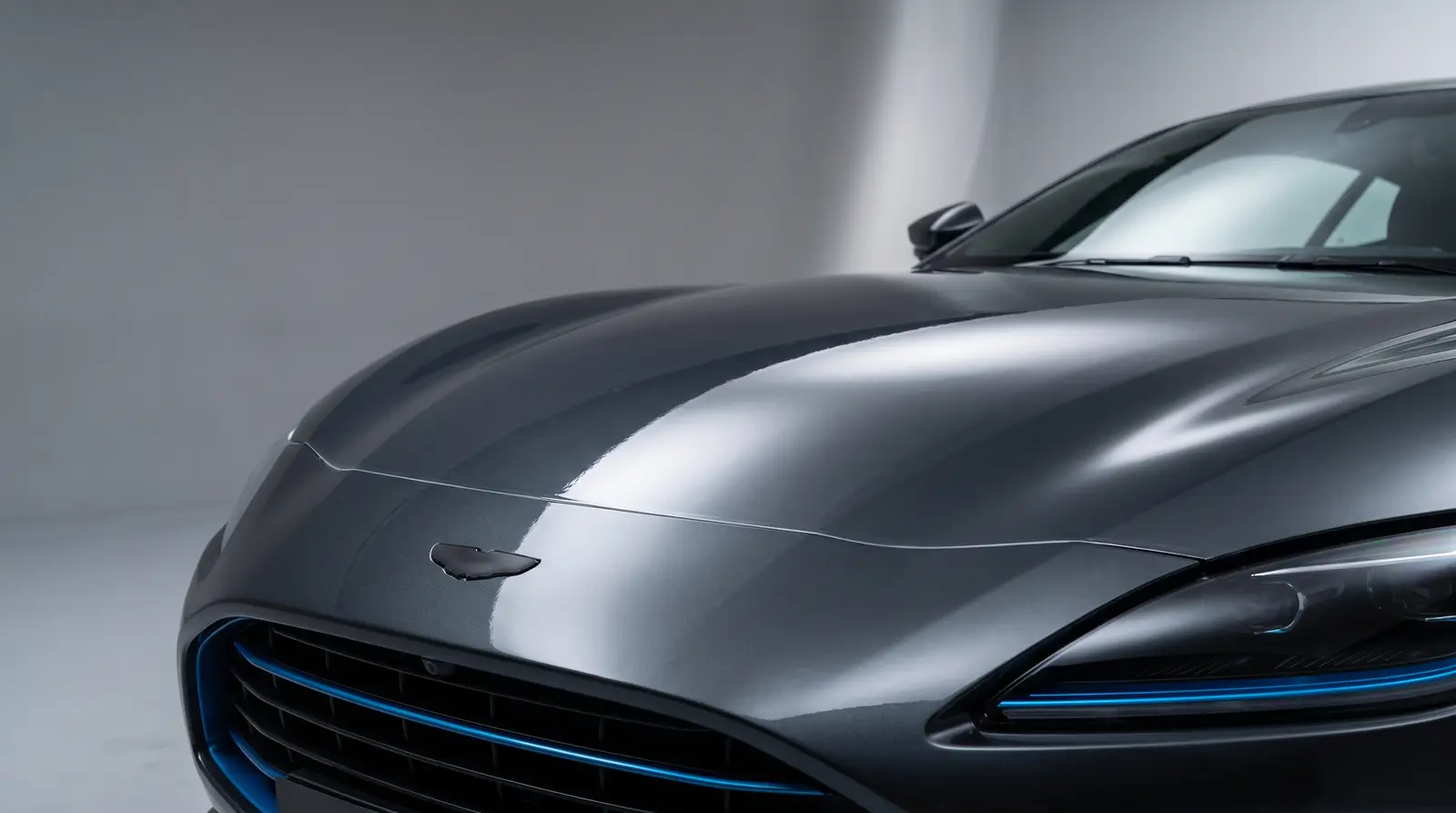
- New cars start with perfect paint; PPF preserves it from day one.
- Front PPF from $1,200 beats repeated respray-blend costs.
- Chip-free factory paint protects resale value.
- Day one, before the first chip, is the ideal time to fit it.
For a new car on Adelaide's roads, PPF is worth it, and the case is strongest precisely because the car is new. A new car has flawless, factory-original paint. On Adelaide's Hills and freeway routes, that paint starts collecting stone chips almost immediately. PPF is the one product that stops those chips reaching the paint, so it preserves the exact thing that makes a new car worth what you paid.
The respray maths
Stone chips are not a one-off. On a chip-heavy commute they accumulate steadily, and fixing them properly is expensive. A correct chip repair on a metallic or pearl panel means filling, sanding, colour-matching, respraying and blending into the surrounding panel, which runs into the hundreds of dollars per panel and often reveals that the factory colour never perfectly matches a repaint. Front-end PPF from $1,200 (small) to $2,300 (large) prevents years of that. Against even a handful of respray blends over the life of the car, the film has paid for itself, and the paint stays factory-original rather than patched.
| Scenario | Rough cost over 5 years |
|---|---|
| No protection, repeated chip repairs | Several respray blends, hundreds each |
| Front-end PPF fitted new | From $1,200 once, chips stopped |
| Result | PPF cheaper and paint stays original |
Resale value: the quiet payoff
The resale case is real and often underrated. When you sell, a buyer (and a dealer's appraiser) inspects the paint closely. A chipped, stone-pitted front end signals wear and gives them a reason to negotiate down. Factory-original, chip-free paint signals a cared-for car and holds value. On premium and enthusiast cars especially, original unblemished paint commands a premium, and buyers pay for it. PPF that kept the front pristine directly supports the price you can ask, and it can be removed at sale to reveal perfect paint or left on as a selling point.
Why day one is the right time
The ideal moment to fit PPF is before the car is driven much, while the paint is still perfect. Fit it early and you seal in flawless factory paint. Wait, and any chips or swirls the car has already collected get sealed under the film permanently, or need paint correction first (adding cost) before the film goes on. Fitting PPF on a genuinely new car skips that correction step and captures the paint at its best.
The best paint your car will ever have is the paint it left the factory with. PPF on day one is simply deciding to keep it.
When PPF is less worth it
Being honest about the exceptions builds the case. PPF is less compelling when:
- You lease short-term and will hand the car back in a year or two, though even then a cheap leading-edge kit can protect the return condition.
- The car is an older, high-kilometre vehicle whose value a respray would not meaningfully change.
- You drive almost exclusively on suburban roads and never touch the Hills, freeway or gravel, which lowers (though rarely eliminates) chip exposure.
For the typical new car in Adelaide, driven on roads that include any freeway or Hills running, none of those exceptions apply, and the film is a straightforward yes.
The recommended new-car build
The build that gives a new Adelaide car the best of everything is front-end PPF (bumper, bonnet, guards, mirrors, plus rockers and A-pillars if you drive the Hills) to stop chips, with a ceramic coating over the whole car for gloss, easy cleaning and UV protection. That combination keeps the paint factory-fresh and the car effortless to maintain from the day you drive it home.
Protecting a new car is easiest when it is done right, on day one, by someone who fits quality film. We connect you with vetted Adelaide PPF and coating specialists who protect new cars before the first chip lands. Get matched with a trusted local installer and refer with confidence.
Get free quotes