Single-stage vs multi-stage paint correction
Single-stage correction is one combined cut-and-polish step that removes 60 to 80 percent of visible defects and suits well-kept daily drivers. Multi-stage correction adds heavier cutting plus refining passes to reach 85 to 95 percent defect removal, and is worth it on dark, neglected or show cars where every flaw is visible.
- The number of stages is really the number of polishing passes, and each pass adds labour hours and cost.
- Single stage is the right call for most Adelaide daily drivers in reasonable condition.
- Multi stage earns its price on black, dark-metallic and neglected paint where defects are obvious.
- Chasing 100 percent perfection removes more clear coat and rarely justifies the extra cost on a daily driver.
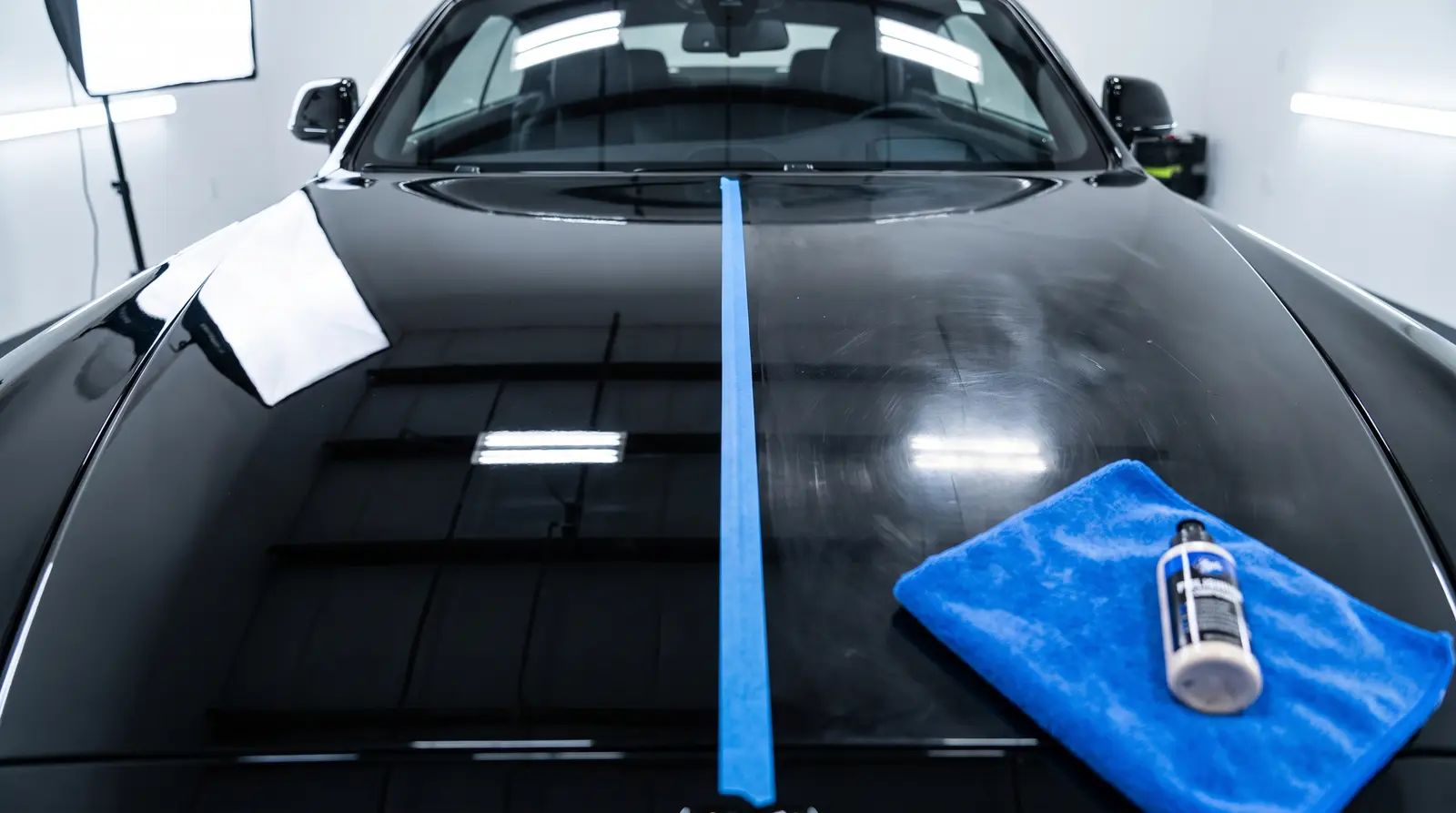
- Single stage: one pass, 60 to 80 percent defect removal, ideal for maintained cars.
- Multi stage: 2 to 3 passes, 85 to 95 percent removal, for dark or neglected paint.
- Match the stage to your paint's actual condition, not to a marketing tier.
The single versus multi-stage question is where most people either overspend or underspend on correction. The distinction is simple once you understand what a stage is. A stage is one machine-polishing pass with a specific pad and compound combination. A single-stage correction uses one all-in-one compound that both cuts and finishes in the same step. A multi-stage correction breaks that into a heavier cutting pass to remove deeper defects, followed by one or two refining passes that erase the haze the cutting step leaves behind. More passes means more hours on the machine, which is the entire reason multi-stage costs more.
What single-stage correction actually delivers
A single-stage correction removes 60 to 80 percent of visible defects. In practice that means the light-to-medium swirl marks vanish, minor water spots clear up, and the paint gains real depth and gloss. What remains after a single stage is the deeper stuff: heavier scratches, stubborn etching, and the last layer of fine marring that only shows at a hard angle under direct sun. For a daily driver that gets washed reasonably and is not black, single stage is genuinely the correct choice. You get a car that looks fantastic in normal light and holds up beautifully once coated.
Single-stage correction is also the standard prep before an entry or mid-tier ceramic coating on a well-kept car. Spending on multi-stage correction under a 2-year entry coating is spending money in the wrong place. Match the correction investment to the coating you are protecting.
When multi-stage correction is worth it
Multi-stage correction targets 85 to 95 percent defect removal, and it earns its cost in specific situations. Black and dark-metallic paint shows every swirl, so the extra refinement is visible and worth paying for. Neglected paint that has years of accumulated damage needs a heavier cutting pass a single stage cannot deliver. Cars going under a flagship 7-year coating deserve a flawless base, because that finish is locked in for the better part of a decade. And any car being prepared for show, sale or a genuinely mirror finish justifies the additional stages.
The honest tradesperson's rule: correct to the standard the paint and the coating justify, then stop. Chasing the last 5 percent removes clear coat you can never get back, for a difference only visible under a swirl-finder light.
The comparison at a glance
| Factor | Single stage | Multi stage |
|---|---|---|
| Polishing passes | 1 | 2 to 3 |
| Defects removed | 60 to 80 percent | 85 to 95 percent |
| Labour time | Half to full day | 1 to 2 full days |
| Best paint colour | Any, ideal for light colours | Black, dark metallic, show finishes |
| Clear coat removed | Minimal | More, needs depth gauge care |
| Adelaide price from | $400 to $850 | $800 to $1,800 |
How Adelaide conditions push the decision
Local conditions genuinely change the calculation. A car that lives near the coast at Semaphore or West Lakes collects salt film and hard-water spotting that a single stage handles well if addressed early, but which turns into etching needing multi-stage cutting if left a year or two. Adelaide Hills cars pick up gravel-road micro-abrasion and tree sap that add to the defect load. And our summer UV oxidises neglected clear coat to the point where only a heavier cutting pass restores it. The longer paint goes uncorrected in this climate, the more likely you are to need multi-stage.
How a specialist decides for your car
A good Adelaide detailer does not quote stages over the phone. They inspect the paint under proper lighting, run a paint depth gauge to confirm there is enough clear coat to work with safely, and do a test spot: a small correction on one section to see how the paint responds. That test spot tells them exactly how many stages your paint needs to hit the target, and it means you pay for the correction the car actually requires rather than a fixed package.
- Inspection under LED and sunlight to map the defect types and severity.
- Paint depth gauge readings across panels to confirm safe working thickness.
- A test spot to measure how much defect one pass removes on your specific paint.
- A recommendation of single or multi stage based on the test result, not a template.
The only way to know whether your car needs single or multi-stage correction is a proper inspection and test spot. We connect you with vetted Adelaide correction specialists who do exactly that and quote to your paint's real condition. Get matched with a trusted local installer.
Get free quotes