Can you put ceramic coating over PPF?
Yes, you can and should put a ceramic coating over PPF. The coating bonds to the film's topcoat, adding deep gloss, strong water beading and easy cleaning, while also protecting the film itself from staining and UV. Coating the whole car (film and bare paint together) gives one uniform, low-maintenance finish.
- A ceramic coating over PPF is not only possible, it is the recommended premium build.
- The coating adds gloss and hydrophobics, and protects the film from staining and yellowing.
- Coat the whole car so filmed and unfilmed panels match perfectly.
- The film stops chips, the coating keeps the whole car glossy and easy to wash.
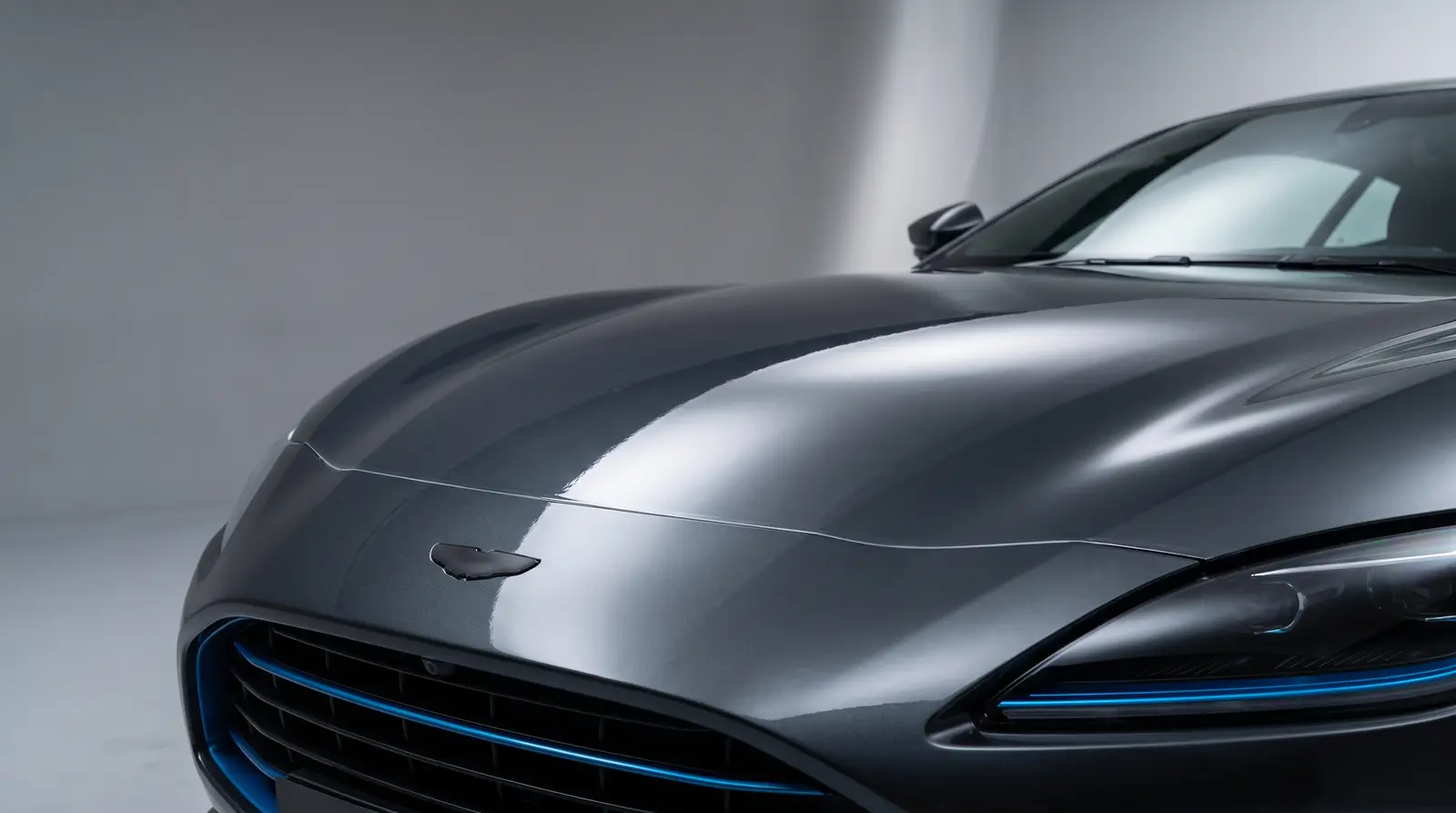
- Yes, ceramic coating over PPF is the recommended premium build.
- The coating adds gloss and hydrophobics and protects the film itself.
- Coat the whole car so filmed and bare panels match.
- Film stops chips; coating keeps everything glossy and easy to clean.
Yes, and it is the benchmark build for a properly protected car. A ceramic coating bonds to the topcoat of quality PPF just as it bonds to clearcoat, so you get the film's chip protection plus the coating's gloss, hydrophobics and cleanability. Far from being redundant, the 2 layers cover each other's weaknesses, which is exactly why the best installs run both.
Why coat over PPF at all?
PPF is superb at stopping chips, but its topcoat is not as slick or as stain-resistant as a dedicated ceramic coating. A coating over the film delivers three real gains:
- It boosts gloss, giving the film a wetter, glassier look than film alone.
- It adds strong hydrophobics, so water and dirt sheet off and the film stays cleaner.
- It protects the film itself from bug and bird-dropping staining, hard-water spotting and UV yellowing, which extends how long the film stays clear.
That last point matters in Adelaide. The coating's chemical and UV resistance directly helps a film survive summer sun, coastal salt and acidic bird droppings without staining, so the film lasts closer to its full potential.
Coat the whole car, not just the film
The right approach is to coat every panel, both the PPF-wrapped areas and the bare-paint areas. If you only coated the film, the filmed panels would bead water and shed dirt while the unfilmed panels behaved differently, and the car would look and clean unevenly. Coating everything gives one consistent surface: the whole car beads, sheets and wipes down the same way, and the visual match between filmed and unfilmed panels is seamless.
| Layer | Job it does | What it does not do |
|---|---|---|
| PPF (bottom) | Stops chips, self-heals scratches | Not as slick or stain-proof alone |
| Ceramic coating (top) | Gloss, hydrophobics, easy clean, UV | Does not stop chips |
| Together | Chip protection plus low-maintenance shine | Nothing meaningful left uncovered |
Order and timing
The sequence is always film first, coating second. The PPF is installed and allowed to fully outgas and settle (installers often wait a short period so any installation moisture clears), then the surface is prepped and the ceramic coating is applied over both film and paint. Doing it in this order in a single planned build is cleaner and cheaper than coating a car and later trying to work film underneath a coating.
One practical note: use a coating suited to going over PPF. Quality installers select a coating chemistry that bonds well to the film's topcoat, which is another reason to have both done by the same vetted specialist rather than piecing it together.
Think of it as a system. The film is the armour and the coating is the finish. Run them together and the car keeps factory paint underneath and a glass-like, self-cleaning surface on top.
Is it worth the extra cost?
For a new or high-value car, yes. You have already invested in film to protect the paint, and a coating over the top protects that investment (keeping the film clear and stain-free for longer) while making the whole car dramatically easier to keep clean. Adelaide coating prices run from around $500 for an entry coating on a small car up to $2,900 for a flagship coating on an SUV, and adding it to a PPF build is the standard premium finish.
A film-plus-coating build works best when one specialist plans both layers together. We connect you with vetted Adelaide installers who do PPF and ceramic coating as a single system. Get matched with a trusted local specialist and refer with confidence.
Get free quotes